We measure hearing loss in degrees, ranging from mild to profound. Each degree is categorized by the amount of decibel loss a person has—how loud a sound needs to be for you to hear it. For many, hearing loss starts at the mild stage.
If your specialist diagnoses you with mild hearing loss, you might be inclined to think that your decibel loss is too minimal to require treatment. Although that assumption is common, it’s rarely correct. The truth is that even people with mild hearing loss can benefit from hearing aids.
What Does Mild Hearing Loss Sound Like?
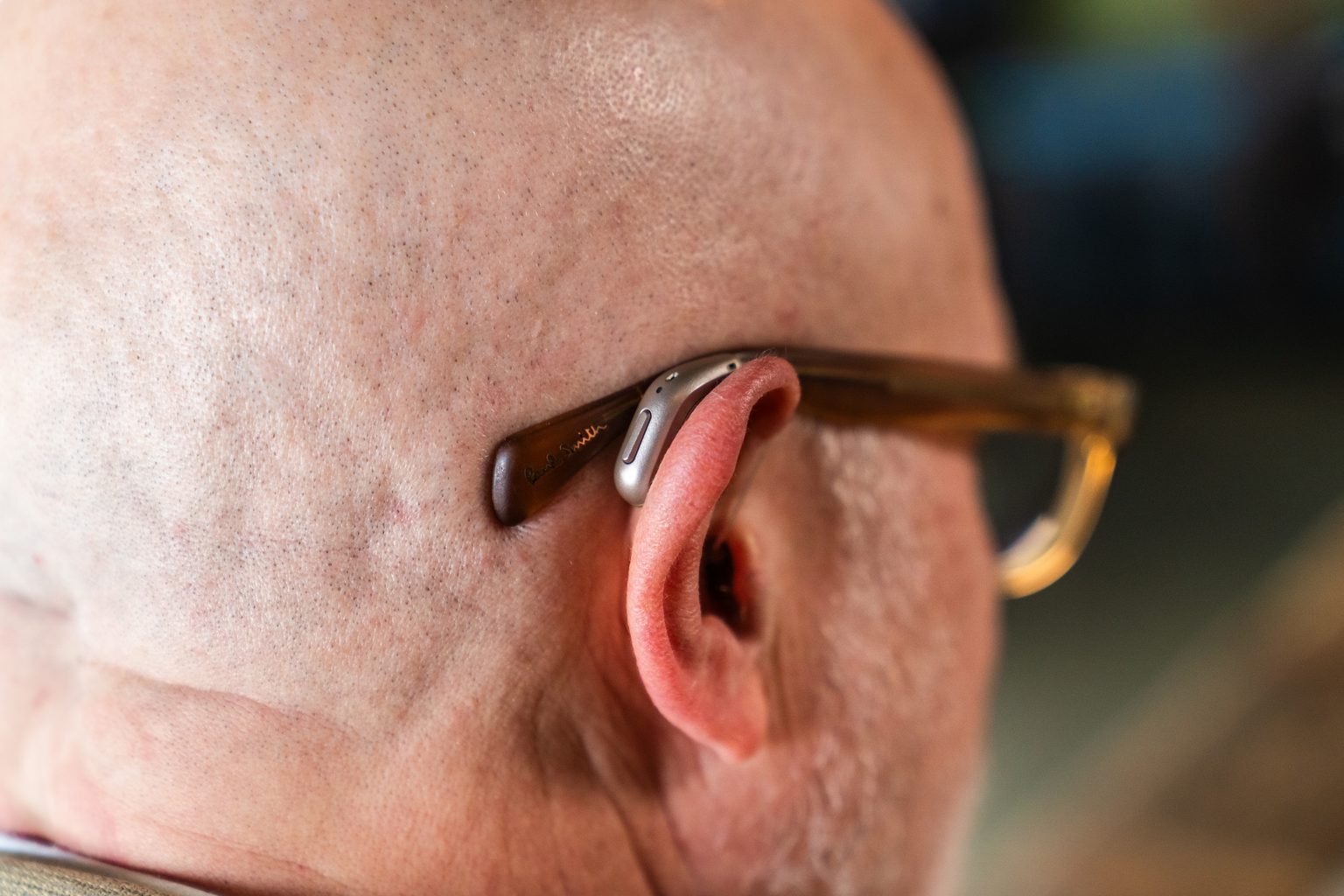
If you have mild hearing loss, you will likely struggle to understand whispers, speech in noisy rooms, tweeting birds or other quieter noises. Because the signs are subtle, you may not even realize you have mild hearing loss until it starts affecting your life.
Side Effects of Mild Hearing Loss
A few potential side effects of mild hearing loss include:
- Social withdrawal
- Fatigue from trying to understand others during high communication days
- Frustration with yourself or others when you can’t understand speech
- Less spatial awareness
- Tinnitus
You may notice some or all of these side effects, usually starting out mild and increasing in frequency and severity as your hearing loss develops further.
The Benefits of Treating Hearing Loss Early
Nearly 29 million U.S. adults could benefit from hearing aids. These small but technologically advanced devices collect and amplify speech and important background sounds to help you stay connected. A few benefits of that reconnection include:
- More confidence joining social environments
- Less fatigue at the end of the day
- Fewer miscommunications
- Increased awareness of your surroundings
Some hearing aids even come with tinnitus masking features that can help manage the ringing in your ears for a more relaxing life.
If you’re interested in finding out if hearing aids are right for you, don’t wait another moment. Contact North Georgia ENT today to schedule your hearing test and device consultation.
Sources
National Institute on Deafness and Other Communication Disorders. (2021, March 25). Quick statistics about hearing. National Institute on Deafness and other Communication Disorders. Nidcd. https://www.nidcd.nih.gov/health/statistics/quick-statistics-hearing